
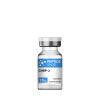


Selank 10mg
$55.00
Selank 10mg
Selank 10mg is a small peptide studied for its potential nootropic and behavior-modifying functions in experimental models. It is a synthetic analog of naturally occurring Tuftsin. This immunomodulatory peptide is a short fragment from the immunoglobulin G (IgG), a natural tetrapeptide involved in certain functions that may regulate the immune system. Selank is also posited to possess additional potential for regulating immune cells, IL-6, a wide range of neurotransmitter systems, and brain-derived neurotrophic factor (BDNF).
Selank differs in structure from the endogenous Tuftsin by an additional three amino acids in its chain, which have been supposed to enhance the metabolic stability and half-life of the synthetic peptide. Specifically, that is the Pro-Gly-Pro segment at the C-terminus of Selank, which might enhance its ability to move through various models, including the blood-brain barrier (BBB). The BBB is a highly selective and semi-permeable barrier that separates circulating blood from the tissues and extracellular fluid of the central nervous system, playing a vital role in regulating substance passage.
The inclusion of Pro-Gly-Pro may possibly increase BBB permeability by affecting the peptide’s hydrophilicity or lipophilicity, which may enhance its affinity for the BBB’s lipid-rich environment. Furthermore, the Pro-Gly-Pro sequence might interact with specific transport mechanisms or receptors at the BBB, possibly initiating facilitated transport or receptor-mediated endocytosis. These processes may enable Selank to circumvent the tight junctions that are said to typically restrict larger molecules.
Specifications
Molecular Formula: C33H57N11O9
Molecular Weight: 751.88 g/mol
Sequence: Thr-Lys-Pro-Arg-Pro-Gly-Pro
Selank Research
Selank and GABA Neurotransmission
As per Dr. Anastasiya Volkova of the Institute of Molecular Genetics in Russia, “numerous clinical studies have [suggested] that Selank [may exhibit] strong antianxiety and neuroprotective effects in the [context] of anxiety. Selank and classical antianxiety [compounds] such as benzodiazepine have a similar mode of action. Selank allosterically modulates GABAA receptors and increases the inhibitory action of GABA.”
Researchers like Dr. Volkova have suggested that as a result of peptide activity, stress hormone levels may be reduced. Studies conducted by researchers focused on small concentrations of Selank exposure have observed a sedating action similar to benzodiazepines.
It has been suggested that the peptide may influence the expression of 7 genes and that it may moderately affect the expression of 45 other targets, all from a set of roughly 84 genes considered to be involved in GABA signaling.[1] Researchers reported that their “results [posited] that Selank caused a number of alterations in the expression of genes involved in neurotransmission.” They suggested the peptide may stimulate gene expression in neurons and influence the affinity of GABA receptors for GABA. Synergism between Selank and benzodiazepines and other GABA receptor agonists appears to be mediated through alteration of the receptor affinity.
Research in rats observes that Selank and benzodiazepines, when alone, appear to have similar impacts on stress hormones, particularly in models of generalized anxiety. The synergistic potential of these compounds has not been fully explored.[2] The impact of Selank on enkephalin degradation appears to modulate its influence on GABA receptors to a certain extent.
Studies have suggested enkephalins with shorter blood stability may be present in models of anxiety and phobic disorders. This is apparently caused by increased enkephalinase activity in the blood, which may degrade the enkephalins. Studies in murine models of anxiety posit that the peptide appears to inhibit enkephalinase, stabilize enkephalins, reset the enzymatic pathway, and thus may preserve natural anxiolytic peptides.[3]
Selank Peptide and the Immune System
Selank has been studied for its potential to inhibit the gene responsible for the production of the inflammatory cytokine IL-6 in research models of depression but not in control models.[4] Researchers also note that “the adaptogenic properties of selank may be beneficial [in the cases of exposure] to environmental stressors for the prevention of infectious diseases.” Selank research suggests that compared to standard anxiolytic compounds, like benzodiazepines, it may improve asthenic symptoms such as fatigue and pain.[5] This may be due to the peptide’s apparent stabilization of enkephalins and potential ability to modify the expression of IL-6. The peptide appears to affect the expression of nearly 34 genes in the inflammatory pathway, which may include those affecting chemokines, cytokines, and receptors. Specifically, it has been studied in relation to Bcl6 expression, which is considered to promote immune development.
This scientific study not only helps explore the complex potential impact of the peptide. It may also improve our understanding of immune systems in general. Selank and its truncated versions may mediate transient gene expression for C3, CAsp1, Il2rf, and Xcr1 in the mouse spleen. Selank may alter the immune system’s balance and thereby modulate inflammation.[6]
Selank Peptide and Metabolic Actions on Lipid Metabolism
Selank has been researched and compared to a placebo regarding its potential action on lipid metabolism in murine models of obesity.[7] The analysis suggests that the group exposed to Selank appeared to exhibit reductions in cholesterol and fat levels, ranging approximately between 25% and 58%. This implies that Selank may potentially decrease specific forms of lipids, such as low-density lipoprotein (LDL), very-low-density lipoprotein (VLDL) cholesterol, and triglycerides. This observation suggests that Selank might have a role, whether direct or indirect, in influencing lipid metabolism mechanisms and might exhibit hypocholesterolemic (cholesterol-lowering) and hypolipidemic (lipid-lowering) properties.
Further, the research indicated notable improvements in hemostasis-related parameters, including increased total fibrinolytic activity and reduced platelet aggregation. These changes might imply potential benefits in conditions that predispose to clot formation. Additionally, Selank’s potential modulatory action on glucose homeostasis was suggested, indicating it might help maintain stable blood glucose levels. The study also reported an enhancement in the fat metabolism rate within the Selank group, which eventually aligned with the metabolism rate observed in control models. Weight measurements showed that the test group of research models had an average weight gain of 40g during the study period. In contrast, the Selank group maintained their weight throughout the study, with a gradual reduction observed upon peptide exposure.
Be the first to review “Selank 10mg”
Related products

Peptides

Peptides

Peptides

Peptides

Peptides

Peptides

Peptides

Reviews
There are no reviews yet.